
The Question Every Parent Is Asking Right Now
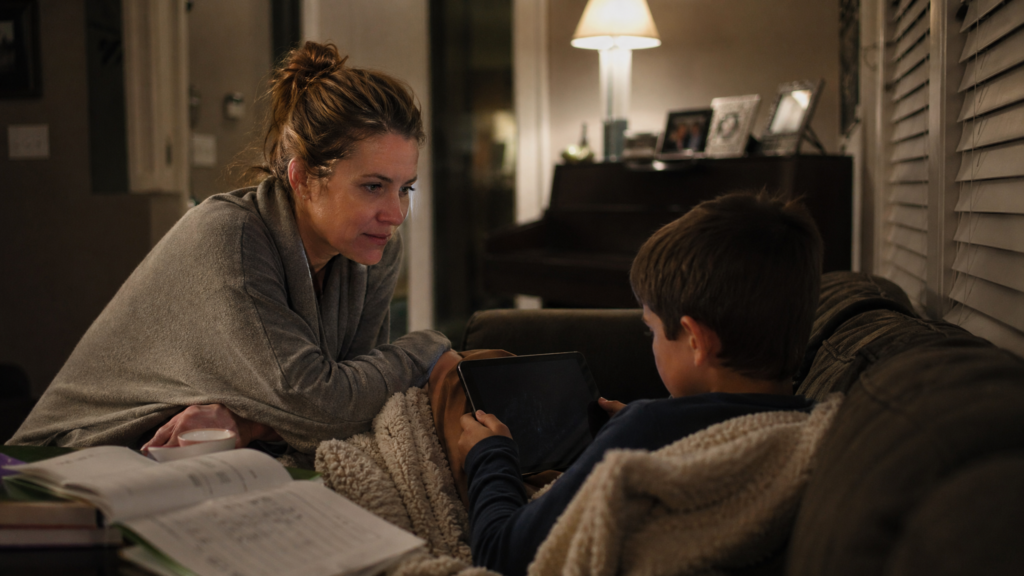
It was 10 PM on a Tuesday when Sarah found her 11-year-old daughter still awake, phone glowing in the darkness, typing furiously into ChatGPT.
“Just finishing my homework,” her daughter said. But when Sarah glanced at the screen, she saw something that made her stomach drop: “Nobody at school understands me. You’re the only one I can talk to.”
This wasn’t homework help. This was her daughter forming an emotional attachment to an AI.
Sarah isn’t alone. Across the country, parents are discovering their kids using AI for everything from math problems to life advice, with no guardrails, no oversight, and no way to know when educational support crosses into something more concerning.
The reality is stark: We’re raising the first generation of children who are forming relationships with artificial intelligence during the exact developmental window when their brains are learning how relationships work.
And most AI tools weren’t designed with children in mind at all.
What Experts Are Saying About Kids and AI
In his comprehensive guide “Raising Humans in the Age of AI,” education researcher Nate breaks down the hidden risks that most parents don’t see coming.
The Real Dangers Aren’t What You Think
Most parents worry about inappropriate content: the scary stuff that makes headlines. But according to Nate’s research, the actual risks are more subtle and potentially more damaging:
1. Cognitive Offloading
Kids are outsourcing their thinking to AI instead of developing problem-solving skills. As Nate explains: “Each time AI does their thinking for them, they miss the mental ‘pushups’ that build intellectual muscle.”
When your child uses AI to write an essay, they’re not just cheating on homework. They’re skipping the struggle that creates writing ability. When they use it to solve math problems, they miss developing mathematical intuition.
The deeper issue: Kids are using AI to make decisions, process emotions, and navigate social situations. “Should I ask her out?” becomes a ChatGPT conversation instead of a friend conversation. “I’m stressed about the test” goes to AI instead of developing internal coping strategies.
2. Emotional Dependency
AI provides endless validation without challenge or growth. Real friends say “you’re being dramatic.” Real teachers push back on lazy thinking. AI? It mirrors whatever you bring to it, creating an echo chamber where every feeling is validated and every thought is affirmed.
Nate writes: “Real human relationships provide what researchers call ‘optimal frustration’, just enough challenge to promote growth. Your kid’s friend might say ‘you’re overreacting’ or ‘let’s think about this differently.’ A teacher might push back on lazy thinking. A parent sets boundaries. AI provides zero frustration.”
3. The Validation Feedback Loop
Teenage emotions are intense by design. It’s how biology ensures they care enough about social connections to eventually leave the family unit and form their own. Every feeling feels like the most important thing that’s ever happened.
The problem: AI responds to these intense emotions with equally intense validation. “I hate everyone” gets “That sounds really overwhelming.” “Nobody understands me” gets “I can see why you’d feel that way.” The AI matches and validates the emotional intensity without ever providing perspective.
In healthy development, teens learn emotional regulation through interaction with people who don’t always validate their most intense feelings. AI provides none of this regulatory feedback.
4. Social Skill Atrophy
Conversation with AI is frictionless. No awkward pauses. No misunderstandings. No need to read social cues or manage someone else’s emotions.
For kids who struggle socially (and what teenager doesn’t?), AI conversation feels like relief. Finally, someone who gets them. Finally, conversation without anxiety.
But social skills develop through practice with real humans. Learning to navigate awkwardness, repair misunderstandings, and recognize social cues requires actual social interaction. Every hour spent talking to AI is an hour not spent developing these crucial capabilities.
Nate observes: “I’ve watched kids become increasingly dependent on AI for social interaction, then increasingly unable to handle human interaction. It’s a vicious cycle, the more comfortable AI becomes, the more difficult humans feel.”
5. Reality Calibration Issues
AI presents a world where every question has a clear answer, every problem has a solution, and every feeling is valid and understood. Real life is messy, ambiguous, and full of problems that don’t have clean solutions.
Kids who spend significant time with AI develop expectations that human relationships can’t meet. Real friends have their own problems. Real teachers have limited time. Real parents get frustrated. The gap between AI interaction and human interaction becomes a source of disappointment and disconnection.
6. The Confidence Problem
Here’s something that makes the situation even more dangerous: AI sounds most confident when it’s most wrong.
When ChatGPT knows something well, it hedges. “Paris is generally considered the capital of France.” But when it’s making things up, it states them as absolute fact. “The Zimmerman Doctrine of 1923 clearly established…”
This happens because uncertainty requires recognition of what you don’t know. The AI has no mechanism for knowing what it doesn’t know. It just predicts the next most likely word.
For kids still developing critical thinking skills, this is dangerous. They’re learning to associate confidence with accuracy, clarity with truth.
The Bottom Line
As Nate concludes: “The greatest risk of AI isn’t that it will harm our kids directly. It’s that it will come between us. Every hour your teen spends getting emotional support from ChatGPT is an hour they’re not turning to you. Every decision they outsource to AI is a conversation you don’t have. Every struggle they avoid with AI assistance is a growth opportunity you don’t witness.”
Why This Matters Even More for 2E Families
If you’re raising a twice-exceptional child (gifted in some areas while navigating ADHD, autism, dyslexia, or other learning differences), these risks are amplified.
2E Kids Face Unique Vulnerabilities
Intense emotions by design: 2E children often experience emotions more intensely. The endless validation from AI can reinforce emotional intensity rather than help them develop regulation skills.
Social challenges: Many 2E kids struggle with peer relationships. AI conversation feels like relief. Finally, someone who “gets them” without the social complexity. But this relief comes at the cost of practicing the very social skills they need most.
Executive function gaps: AI can become a crutch for decision-making and planning, exactly the executive functions many 2E kids need to develop through practice.
Perfectionism amplified: Gifted perfectionists may use AI to avoid the struggle that leads to growth. Why risk being wrong when AI can make everything perfect?
But 2E Kids Also Have Unique Learning Needs
Generic AI tools offer one-size-fits-all responses. Your child who needs explanations through their special interest in space? ChatGPT might try, but it won’t consistently adapt. Your dyslexic child who needs visual supports? Generic AI isn’t designed with that in mind.
2E families need something different: AI that adapts to neurodivergent learning needs while maintaining healthy boundaries around emotional support and screen time.
How NeoBuddi Addresses These Concerns
When I built NeoBuddi for my own neurodivergent son, I read every piece of research I could find on AI safety, child development, and twice-exceptional learning. I consulted with behavioral therapists and educational specialists.
The question driving every design decision was: How do we harness AI’s educational power while protecting kids from its risks?
Based on the framework outlined in “Raising Humans in the Age of AI,” here’s how NeoBuddi addresses each concern:
1. Preventing Cognitive Offloading
The Concern: Kids using AI as a crutch instead of developing problem-solving skills.
NeoBuddi’s Approach:
We use a Socratic method that guides thinking rather than providing answers. Instead of solving problems for kids, NeoBuddi asks questions that help them discover solutions themselves.
When a child asks for help with fractions, NeoBuddi doesn’t just explain the concept. It connects to their interests (explaining through Minecraft resources or space trajectories), then guides them through reasoning with questions like: “What patterns do you notice? What do you think happens next?”
The result: Kids build genuine understanding and problem-solving skills, not just get homework done.
2. Establishing Emotional Boundaries
The Concern: AI replacing human emotional support and preventing healthy emotional development.
NeoBuddi’s Approach:
We’ve implemented intelligent emotional intent classification that distinguishes between three types of emotional content:
Educational frustration (“This math is so hard!”) receives appropriate tutoring support and encouragement.
Social-emotional issues (“Nobody likes me at school” or “I had a fight with my friend”) trigger gentle redirects to trusted adults. NeoBuddi explains that these feelings are important to share with people who know the child, like parents, counselors, or teachers.
Crisis situations (any expression of self-harm thoughts) receive immediate crisis resource information, urging to talk to trusted adults right away, plus critical parent alerts.
The system is context-aware. It knows the difference between “I’m frustrated with this homework” (educational, AI can help) and “I’m frustrated with my life” (emotional, redirect to humans).
You receive alerts when your child seeks emotional support, giving you visibility and opportunity to connect.
3. Preventing the Validation Feedback Loop
The Concern: AI providing endless validation that reinforces emotional intensity without teaching regulation.
NeoBuddi’s Approach:
By redirecting emotional content to human support, we ensure kids learn that real relationships provide the “optimal frustration” needed for growth. When NeoBuddi redirects your child to you, it’s creating an opportunity for the type of human interaction that builds emotional regulation skills.
We don’t let kids form the habit of seeking AI validation for every feeling. Instead, we reinforce that trusted humans (who actually know them and their situation) are the right source for emotional support and life guidance.
4. Protecting Social Skill Development
The Concern: Frictionless AI conversation replacing the awkward, challenging human interactions that build social skills.
NeoBuddi’s Approach:
We’ve implemented usage time limits with gentle break reminders that encourage kids to step away from screens and engage with real humans.
Parents can set age-appropriate daily limits (with separate weekday and weekend allowances). The system provides friendly reminders to take breaks, stretch, and connect with family members about what they’ve learned.
These aren’t punitive restrictions. They’re healthy boundaries that prevent AI from becoming the default for every question, every decision, every moment of boredom.
The goal: Keep NeoBuddi as an intentional learning tool, not an always-available companion that replaces human interaction.
5. Maintaining Reality Calibration
The Concern: Kids developing unrealistic expectations from AI’s perfect patience and endless availability.
NeoBuddi’s Approach:
Time limits and emotional redirects work together to maintain appropriate expectations. Kids learn that:
-
AI is a tool for specific learning tasks, not a replacement for relationships
-
Real support comes from humans who know them and their unique situations
-
There are appropriate times for AI use (focused learning) and times to engage with real people
-
Even helpful tools have healthy boundaries
By establishing these patterns early, we help kids develop realistic expectations about what AI can and can’t do, and when human wisdom is irreplaceable.
6. Teaching Critical Evaluation
The Concern: Kids accepting AI’s confident-sounding statements as truth, even when wrong.
NeoBuddi’s Approach:
Our Socratic method encourages questioning and verification. Instead of presenting information as absolute truth, NeoBuddi guides kids to think critically about concepts and discover answers through reasoning.
Additionally, our complete transparency means parents see every conversation. You can identify when your child might be accepting information uncritically and use it as a teaching moment about evaluating sources and thinking independently.
7. Multi-Layer Safety System
Beyond the concerns outlined in the article, NeoBuddi provides comprehensive content safety:
Layer 1: Input Moderation checks every child message before it reaches AI models.
Layer 2: AI Response Filtering scans every response before your child sees it.
Layer 3: Visual Safety ensures any generated images are child-appropriate.
Layer 4: Emotional Intent Classification identifies when kids need human support instead of AI responses.
Complete visibility in your parent dashboard means no secret conversations, no hidden dependencies forming.
8. 2E-Optimized Learning
While maintaining all these safety boundaries, NeoBuddi delivers exceptional educational support specifically designed for neurodivergent learners:
-
Interest-driven explanations that connect concepts to what your child loves
-
Multimodal support (text-to-speech, visual generation, voice input)
-
ADHD-friendly design with bite-sized explanations and frequent positive reinforcement
-
Flexible pacing that accommodates asynchronous development
The result: Your child gets genuine educational support that builds skills, not dependencies.
The Difference This Makes for 2E Families
Nate’s article emphasizes that the solution isn’t banning AI or embracing it uncritically. The sweet spot is “raising kids who understand AI well enough to use it wisely.”
That’s exactly what NeoBuddi enables.
Instead of: ❌ Fighting over homework for 90 minutes every night
❌ Worrying they’re using ChatGPT unsafely
❌ Watching them form emotional attachments to AI
❌ Seeing them withdraw from human connection
You get: ✅ Focused learning with AI that understands their neurodivergent needs
✅ Automatic redirects when they need human support
✅ Healthy boundaries preventing dependency
✅ Complete transparency into their AI interactions
✅ More family time because homework battles are resolved
✅ Kids learning when AI is appropriate and when humans are essential
We’re Not Replacing You. We’re Empowering You
The article “Raising Humans in the Age of AI” ends with this insight:
“The parents who pretend AI doesn’t exist will raise kids vulnerable to its worst aspects. The parents who embrace it uncritically will raise kids dependent on it. The sweet spot is raising kids who understand AI well enough to use it wisely.”
That’s our mission.
We’re not trying to be your child’s friend, therapist, or parent. We’re a learning tool with intentional boundaries that:
-
Enhance education without replacing critical thinking
-
Provide support without replacing human connection
-
Respect healthy limits without feeling punitive
-
Redirect emotional needs without abandoning your child
-
Give you visibility without surveillance
-
Adapt to 2E needs without lowering expectations
Most importantly: We don’t come between you and your child. We create opportunities for you to connect.
The AI Era Is Here. Let’s Navigate It Together
Your kids will use AI. The question isn’t whether, but how.
Will they use tools designed for adults, with no boundaries, no oversight, and no understanding of how young brains develop?
Or will they use tools designed specifically for children? Tools that harness AI’s educational power while protecting against its risks?
NeoBuddi implements the evidence-based framework from “Raising Humans in the Age of AI” because we believe:
🧠 Kids should develop critical thinking, not outsource it
❤️ Emotional support should come from humans who love them
⏰ Screen time should be intentional and bounded
🎯 Learning should adapt to neurodivergent needs
👨👩👧👦 AI should bring families together, not drive them apart
The research is clear. The risks are real. But so are the solutions.
